
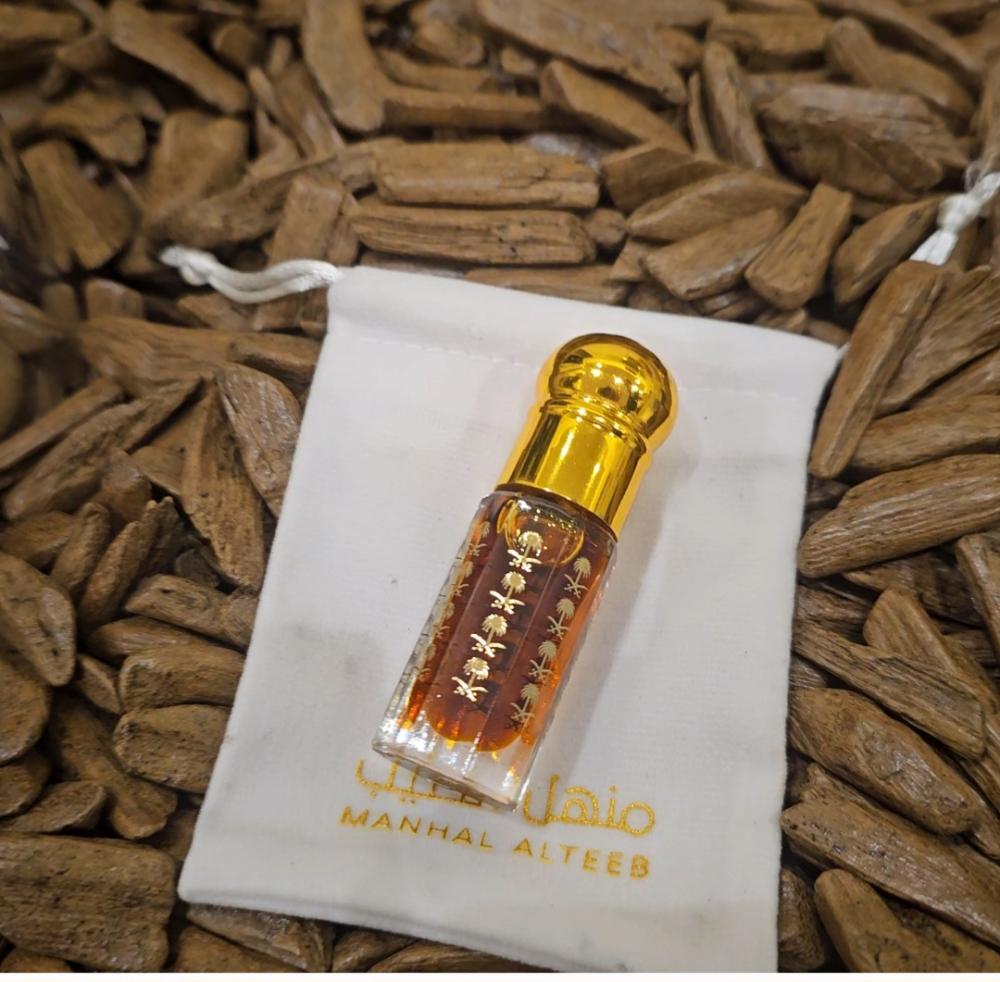
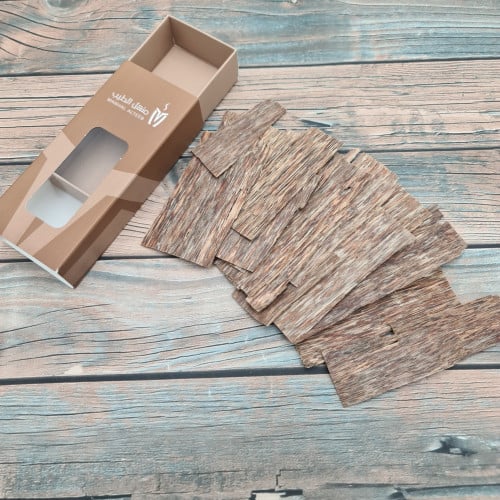
A natural herbal essence with a pleasant fragrance, considered one of the finest Indian amber scents.
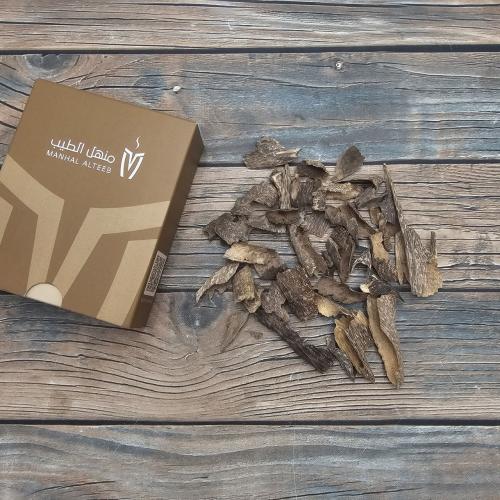
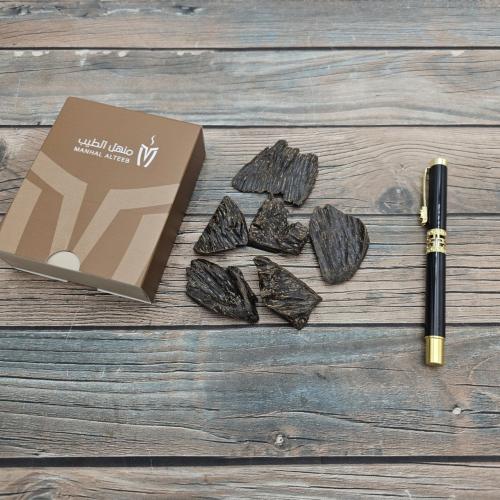
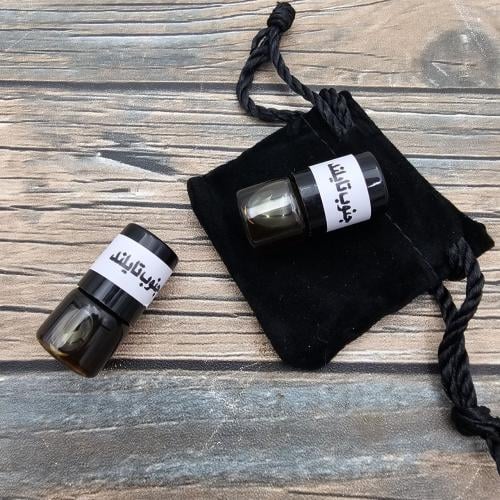
Quantity shown in the image: Quarter Tola
The image is unfiltered.
The Full Story: Amber
How did amber evolve from a rare natural material to one of the most valuable ingredients in the perfume and art industries?
1. Introduction to Amber
Definition of Amber
Amber is a rare natural material used in the production of perfumes and luxury goods, renowned for its warm, rich scent that adds a touch of elegance. It is derived from the amber tree, which grows in tropical regions, and has been one of the oldest ingredients used in perfume making. Its ability to enhance the quality of a fragrance by adding depth and richness makes it a favorite among perfumers.
Origin of the Word "Amber"
The word "amber" has historical roots in the Arabic language, where it was used to refer to an aromatic substance extracted from the sea. Throughout history, ancient civilizations utilized amber in various applications, from perfumes to traditional medicine. Over time, the word "amber" became synonymous with luxury and high quality in the perfume industry.
2. Types of Amber
Natural Amber
Natural amber is a substance harvested from trees, known for its unique characteristics such as its golden or brown color and rich aromatic fragrance. It can be found in tropical regions around the world and requires special skills and knowledge to collect from the trees that produce this precious material.
Synthetic Amber
Synthetic amber is produced using chemical compounds that closely resemble the natural structure of amber. It is manufactured to meet the high market demand and serves as a more affordable alternative to natural amber. Synthetic amber is commonly used in various fragrant products, though some prefer the natural variant for its distinctive and richer scent.
Key Differences
The main differences between natural and synthetic amber can be identified through their scent, color, and texture. Natural amber tends to have a more complex, richer aroma compared to synthetic versions, and its color is more natural with subtle variations.
3. Amber Composition
Chemical Composition
Amber contains a variety of chemical compounds that give it its signature scent. Among these are fatty acids and esters, which contribute to the warm, enveloping qualities it adds to fragrances. This chemical composition makes amber an ideal ingredient for enhancing luxurious perfumes and high-quality products.
Formation Process
Amber is formed from resin secreted by trees, resulting from natural chemical reactions. Over time, this resin hardens and transforms into the amber we use today. This process can take thousands of years, adding historical value to every piece of amber.
4. Traditional Uses of Amber
In Perfumes
Amber is widely used in the perfume industry to impart a warm and inviting fragrance. It is a key element in many luxurious perfumes, helping to enhance the allure of the scent and extend its longevity.
In Traditional Medicine
Amber has been used in traditional medicine to treat various health conditions, including respiratory issues and anxiety. Ancient cultures applied amber in different forms, such as oils and ointments, to benefit from its therapeutic properties.
In Arts and Crafts
Amber is also used in the creation of jewelry and handcrafted items. Beautiful amber pieces are fashioned into decorative art or incorporated into valuable jewelry pieces.
5. Amber in History and Culture
In Different Cultures
Amber has been part of numerous traditions throughout history. In ancient civilizations, such as the Egyptians and Romans, amber was used in religious rituals and healing practices. It was considered a symbol of wealth and luxury.
Amber in Myths
Various myths are associated with amber, including those that speak of its powers to bring luck and healing. These legends contributed to its value and increased people's fascination with amber.
6. Amber as a Trade Commodity
History of Amber Trade
Amber trade is one of the oldest forms of commerce in history. In some ancient civilizations, amber was used as a valuable currency and was traded between countries.
Global Amber Markets
Major amber markets are located in regions such as the Middle East and Europe, where amber is sold both locally and internationally. Prices are influenced by supply and demand, with global markets playing a significant role in determining its value.
Economic Impact
Amber prices can greatly affect the economies of producing countries, as many communities rely on amber trade as a primary source of income. Rising amber prices can positively impact local economies in areas where amber is collected.
7. Amber and the Environment
Environmental Impact
The collection of amber can have negative effects on the environment, such as the destruction of natural habitats and pollution. It is crucial for amber harvesting to be conducted sustainably to minimize environmental harm.
Conservation Efforts
There are several initiatives aimed at preserving amber resources and protecting them from overexploitation. These efforts include developing more sustainable collection methods and raising environmental awareness.
8. How to Identify Genuine Amber
Traditional Methods
Traditional methods of testing amber authenticity involve sensory evaluations, such as scent and touch. Genuine amber has a distinct aroma and smooth texture.
Modern Techniques
Modern techniques include using tools like ultraviolet light and chemical tests to verify amber’s authenticity. These tools provide accurate ways to determine whether amber is real.
9. Amber in Perfumes and Luxury Products
Amber as a Fragrance
Amber is a key component in many luxury perfumes, where it adds warmth and appeal. Perfumes that feature amber are crafted to reflect the sophistication and beauty of its ingredients.
Amber in Skincare Products
Amber is also used in creams and cosmetic products, where it enhances the properties of the product, making it more effective. Amber boosts the benefits of skincare products by providing moisturizing and soothing effects.
10. The Future of Amber Industry
Research and Innovations
The amber industry is seeing significant research and innovations, including the development of new methods for collecting and processing amber. These advancements aim to improve amber quality and offer a wider variety of products.
Future Trends
The amber industry is moving towards innovation in its uses, with a focus on sustainability and development. Modern trends are expected to continue enhancing amber's role across various fields.
Conclusion
Summary of Key Points
Amber is a precious natural material that plays an important role in the perfume and art industries. By understanding amber's history, uses, and developments, we can appreciate its true value in today's world.
The Importance of Amber in the Contemporary World
Amber remains a distinguished material of high value, used across various industries to create products of exceptional quality. The continued interest in amber reflects our appreciation for its beauty and rich history.
For more luxurious amber products, visit "Manhal Al-Tayyib" store, where we offer a wide range of high-quality amber items.
Manhal Al-Teib Store is your destination for buying perfumes online, offering a distinguished collection of natural oud, enhanced oud, oud oils, roses, amber, musk, Essential oils, mastic, incense, perfumes, air fresheners, smart incense burners, Haili incense burners, and more accessories. Enjoy the exclusive offers at Manhal Al-Teib and shop for all your fragrance and incense online.

عبد الجبار الحربي
دهن العنبر مميزات هذا الدهن هذه الرائحة غير مزعج ممتاز جدا مع دهن العود وتزيد في فوحان دهن العود
أحمد حمد أحمد الشهري
هل العنبر حيواني أم نباتي؟؟
منهل الطيب
بحسب المصدر فهو خلاصة أعشاب طبيعية، وليس حيواني